

If you’ve ever walked across your living room floor and spotted a stink bug crawling along the baseboard or lurking near the edge of your carpet, you know how annoying and unsettling these pests can be.
Stink bugs don’t just appear randomly — they’re entering your home through small cracks, gaps, and openings that you may not even notice. The good news? With the right approach, you can get rid of them at the floor level and stop them from coming back.
As someone who has handled stink bug invasions both personally and professionally, I’ll show you everything you need to do to eliminate them effectively and prevent future entry.
Stink bugs can become seasonal repeat visitors if the proper prevention strategy is not used. So this isn’t just about wiping them off your flooring — it’s about creating long-term stink bug-proofing inside and outside your home.
What Attracts Stink Bugs to Flooring?
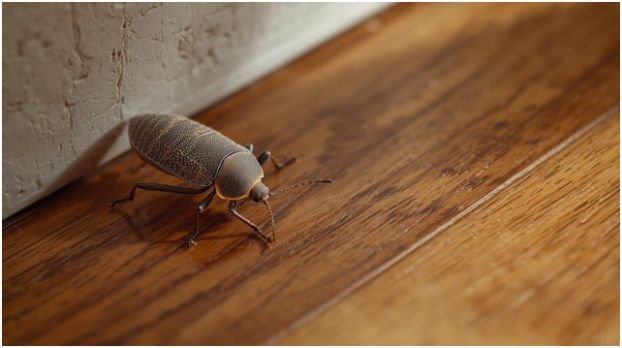
Stink bugs migrate toward floors for a few simple reasons:
- Rising warmth from beneath the subfloor
- Tiny gaps and hiding places
- Consistent travel routes along edges and corners
- Dark protected spaces under furniture
- Proximity to wall entry points
They rarely stay in the center of the floor — they like tight areas and edges.
Step-by-Step: How to Get Rid of Stink Bugs in Flooring
Immediate Removal — No Crushing
Crushing stink bugs is the worst thing you can do. Squashing them releases pheromones that attract additional stink bugs and produces their unpleasant odor.
Instead, rely on these options:
Vacuum Method (Best for floors)
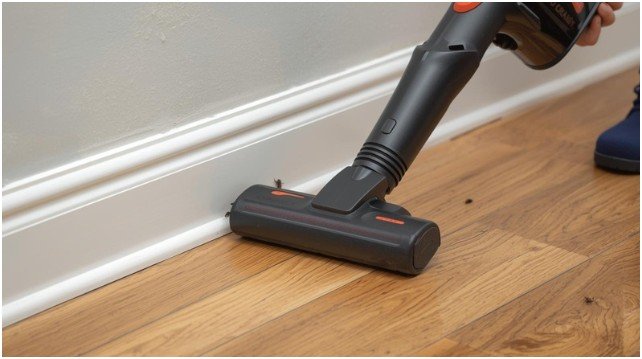
Use a handheld or cordless vacuum to collect:
- Bugs along baseboards
- Bugs beneath furniture
- Bugs resting on rugs
- Bugs hiding in flooring gaps
Always empty the vacuum outside afterward — never indoors.
Soapy Water Spray (Kills on contact)
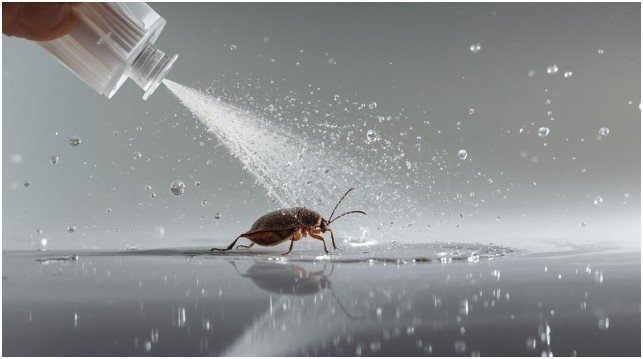
Create a simple spray:
- 1 cup of water
- A few drops of dish soap
Spray directly onto the bugs when you see them on the floor. The soap breaks down their outer shell and suffocates them.
This method works safely on:
- Hardwood
- Laminate
- Tile
- Vinyl
Use sparingly on carpet.
Light Trap at Floor Level
At night:
- Set a light source close to the floor
- Place a shallow bowl of soapy water below it
Stink bugs will follow the light and drown in the liquid.
Deep Floor Crack Treatment
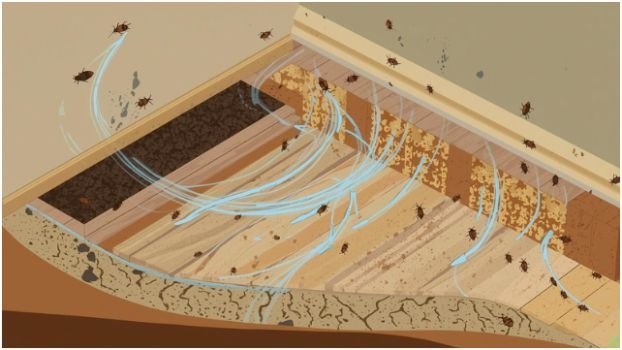
If stink bugs are crawling between floorboards or emerging from below:
For hardwood
Use transparent wood filler or sealant in gaps.
For tile floors
Repair damaged grout or caulking along edges.
For laminate or luxury vinyl plank
Apply seam sealant in visible joints.
Blocking these points removes both entry and nesting spaces.
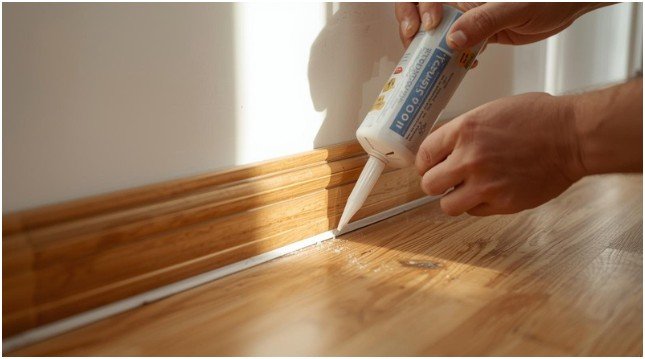
Baseboard & Trim Defense
Many stink bugs get in through the foundation and travel behind walls, eventually entering at floor level.
Seal:
- Baseboard edges
- Wall-floor joints
- Gaps under door frames
- Closet floor edges
- Heating register edges
Use silicone or latex caulk to create a tight boundary.
Whole-Home Prevention
If you only deal with bugs you can see on the floor, you’ll keep fighting them forever. Prevention is key.
Exterior Protection Tips
- Seal cracks in siding
- Add door sweeps
- Caulk around window frames
- Reduce nighttime outdoor lighting
- Move firewood at least 20 ft from the home
- Repair torn screens immediately
The fewer that enter, the fewer you’ll find on your flooring.
Natural Repellents Indoors
Stink bugs dislike strong natural scents.
Use:
- Peppermint oil
- Lavender oil
- Lemon oil
- Garlic extract
Spray:
- Along baseboards
- Around furniture legs
- Where flooring meets wall
- Under carpets and rugs
This encourages them to relocate rather than settle.
Comparison: Stink Bug Removal Methods
| Method | Effectiveness | Works on Floors | Kills or Repels | Pros | Cons |
| Vacuuming | Excellent | Yes | Removes | Quick & odor-free | Must empty outside |
| Soapy water | Excellent | Yes | Kills | Safe, cheap | Dampens floor if overused |
| Light trap | Good | Yes | Kills | Works while you sleep | Limited to nighttime |
| Natural oils | Moderate | Yes | Repels | Smells pleasant | Needs reapplication |
| Diatomaceous earth | Excellent | Yes | Kills | Long-lasting | Powder may be visible |
| Insecticide barrier | Extremely effective | No (for exterior use) | Kills | Prevents entry | Chemical-based |
Using Diatomaceous Earth on Flooring
Food-grade diatomaceous earth (DE) is a natural desiccant that destroys insects by damaging their exoskeleton. Apply a light dusting:
- Behind furniture
- Along flooring edges
- In cracks
- Under cabinets
Leave for a few days and then vacuum.
When to Use Professional Pest Control
Consider professional help if you:
- See large numbers regularly
- Notice odor constantly
- Spot stink bugs in multiple rooms
- Hear movement in wall voids
- See them near attic or crawlspace entries
Experts can apply commercial-grade exclusion treatments for long-term control.
Seasonal Behavior Matters
Fall
When temperatures drop, they enter homes to overwinter.
Winter
They remain hidden inside floors, walls, and window frames.
Spring
They begin exiting back outdoors.
Knowing their seasonal behavior helps you plan treatment cycles.
FAQs: Real Answers from Experience
1. Do stink bugs breed in flooring?
No. They breed outdoors in warm seasons. Indoors, they only shelter.
2. Why do stink bugs gather along baseboards?
Because gaps there provide warmth, darkness, and travel routes.
3. Does killing one attract more?
Crushing does. Vacuuming does not.
4. Are stink bugs dangerous for flooring materials?
No. They don’t chew or damage anything — they’re just unwelcome guests.
5. Can pets be harmed by these bugs?
No, but pets may trigger them to release odor.
Final Thoughts: Stop the Cycle, Not Just the Symptom
Learning how to get rid of stink bugs in flooring takes more than reacting to visible bugs — it requires a layered strategy. First you eliminate the ones you see without crushing them. Then you seal the hidden gaps that allow them access to the home. Finally, you create strong exterior defense barriers so they never make it inside.
Once these steps become consistent, stink bug appearances drop dramatically each season. The goal is long-term reduction, not daily removal. With the right approach, you can protect your floors, your home, and your peace of mind from ever having to deal with these unwelcome visitors.
