

Hickeys happen, and when they do, most people want them gone as quickly as possible. As an expert writer specializing in skin health and bruise recovery, I’m here to break down exactly how to get rid of hickeys safely and effectively. While there’s no instant cure, the right techniques can dramatically speed up healing. With a strategic approach and a few proven remedies, you can fade the mark faster and minimize embarrassment or discomfort.
Understanding why a hickey forms is the first step. Once you know what’s happening under the skin, every treatment makes more sense—and you’ll have a much easier time choosing the right methods at the right stage.
What Causes a Hickey in the First Place?
A hickey forms when suction breaks tiny blood vessels beneath the skin. That blood pools under the surface and creates a bruise-like mark. This discoloration shifts over several days:
- Red or purple: fresh hickey
- Blue or dark: 1–2 days old
- Green/yellow/brown: healing stage
The more intense the suction or the thinner the skin, the darker the hickey tends to be.
First 24 Hours: Stop the Bleeding Under the Skin
During the first day, the goal is to limit swelling and prevent the bruise from spreading.
Apply a Cold Compress
Use an ice pack wrapped in a cloth or a chilled spoon. Apply for 10–15 minutes several times a day. Cold narrows blood vessels and minimizes internal bleeding.
Avoid Rubbing or Massaging
Rubbing early on breaks more capillaries, making the bruise bigger, darker, and slower to heal.
After 24 Hours: Boost Blood Flow for Faster Healing
Once the initial bleeding has stopped, it’s time to help your body reabsorb the trapped blood beneath your skin.
Use a Warm Compress
Apply a warm washcloth or use a heating pad for 10–15 minutes at a time.
Heat increases circulation, helping your body flush out the pooled blood.
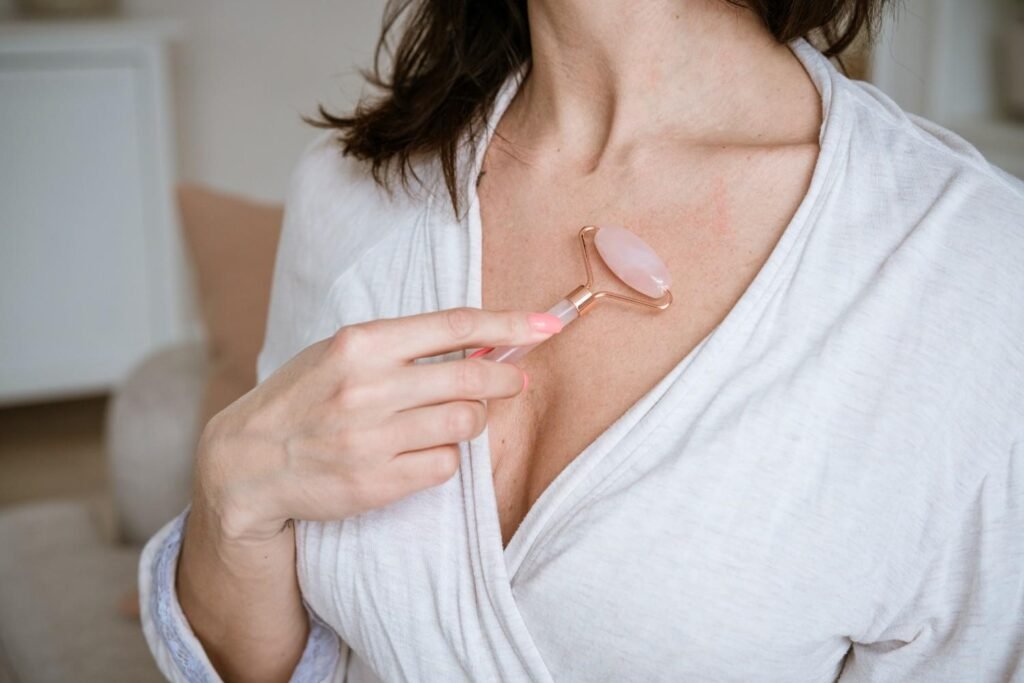
Gentle Massage
Massage lightly from the center outward once warmth has softened the area.
This encourages the clotted blood to break apart and spread so the body can clear it.
Topical Skin-Healing Treatments
These topical aids support faster recovery:
- Aloe vera
- Arnica gel
- Vitamin C cream
- Witch hazel
- Cocoa butter
- Vitamin K cream
Each helps calm inflammation, repair the skin barrier, and lighten discoloration.

Quick Treatment Comparison
| Time After Hickey | Best Treatment | Why it Works | Avoid |
| 0–24 hours | Cold compress | Reduces bleeding & swelling | Rubbing or massage |
| 24–48 hours | Warm compress | Improves circulation | Ice |
| 48+ hours | Massage + creams | Breaks down pooled blood | Toothpaste & harsh scrubbing |
| Anytime | Concealer | Temporary coverage | Undiluted essential oils |
What About Makeup Concealing?
When you must hide a hickey immediately, makeup can be your best option. Use a green-tinted color corrector first (to neutralize red or purple tones). Then apply concealer or foundation that matches your skin tone, finishing with setting powder for long-lasting wear.
The Myth Section: What Not to Use
Plenty of viral hacks claim to erase a hickey instantly, but most cause irritation or worsen the bruise.
Avoid:
- Toothpaste (irritates the skin)
- Coins or hard pressing (causes more damage)
- Toothbrush scrubbing (breaks more vessels)
- Undiluted peppermint oil (can burn the skin)
Sticking to dermatologist-approved methods keeps your skin healthy.
How Long Does a Hickey Take to Heal?
Most hickeys fade in 3–10 days, depending on size, skin tone, and circulation.
Larger or deeper hickeys may last up to two weeks. Hydration, diet, and overall health also influence how quickly bruises fade.
Extra Support for Faster Healing
Support your skin from within by:
- Drinking plenty of water
- Eating vitamin C–rich foods (berries, citrus, peppers)
- Increasing vitamin K intake (leafy greens)
- Avoiding alcohol (slows circulation)
- Getting proper rest
Healthy circulation and strong skin repair processes help hickeys fade faster.
When to See a Doctor
A hickey is nearly always harmless, but you should get medical attention if:
- It lasts longer than two weeks
- The surrounding area becomes tender or swollen
- You bruise unusually easily
- You’re taking medication that affects blood clotting
Some dermatologists also offer laser bruise treatments for rapid fading when necessary.
Frequently Asked Questions
1. How do you get rid of a hickey in one day?
You likely can’t remove it entirely, but applying ice early, switching to heat after 24 hours, massaging gently, and using color-correcting makeup can make it nearly invisible.
2. Does toothpaste work for hickeys?
No. It often causes redness and irritation and does not speed up healing.
3. Can a hickey leave a scar?
Rarely. Only aggressive rubbing, picking, or broken skin tends to leave marks.
4. Do hickeys fade differently depending on skin tone?
They heal at similar rates, but visibility varies. Hickeys appear darker on lighter skin and may look more subtle on deeper skin tones.
5. Can you get rid of a hickey overnight?
No method erases it instantly, but warm compresses, massage, and proper concealing can dramatically reduce its appearance.
Final Thoughts
Knowing how to get rid of hickeys comes down to timing and gentle care. The combination of cold treatment first, followed by warmth, massage, and topical creams later, yields the fastest results. Hickeys will always fade naturally, but using proven remedies can make the process far smoother and less noticeable.
If a hickey happens at the worst possible time, remember that makeup can disguise it effectively, and professional treatments are available for stubborn marks. With patience and the right approach, your skin will return to normal before you know it.


