

If you’re wondering how to remove acrylic nails without destroying your natural nails, you’re in the right place. As someone who has researched nail health, acrylic bonding chemistry, and salon-safe removal techniques extensively, I’ll walk you through the safest methods, common mistakes to avoid, and the best aftercare to restore nail strength and hydration. Many people cause unnecessary nail trauma simply because they rush the process or use the wrong tools. This guide ensures you remove acrylics gently and professionally—even at home.
What You’ll Need Before Starting
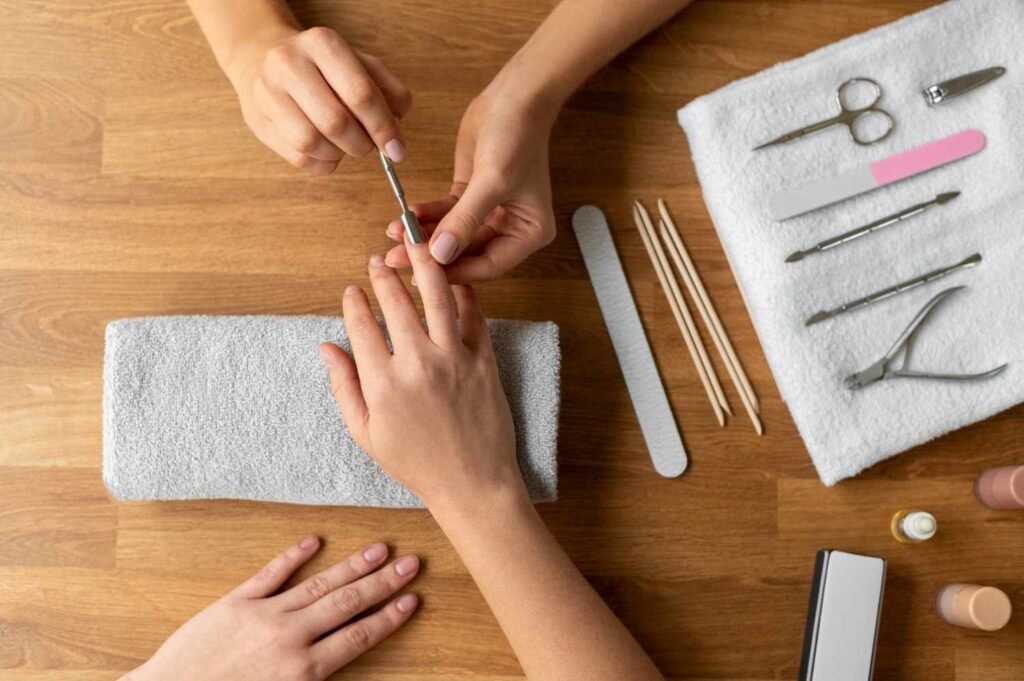
- 100% pure acetone
- Nail clippers
- Coarse nail file (100–180 grit)
- Cotton balls or pads
- Aluminum foil
- Cuticle pusher
- Petroleum jelly or cuticle oil
- Moisturizing hand cream
These tools ensure a controlled, gentle removal process rather than a damaging rip-off method.
Method 1: Acetone Soak-Off Technique (Most Effective & Safest)
This is the salon-standard technique. It takes time, but your natural nails will thank you.
Step-by-Step
- Trim the length
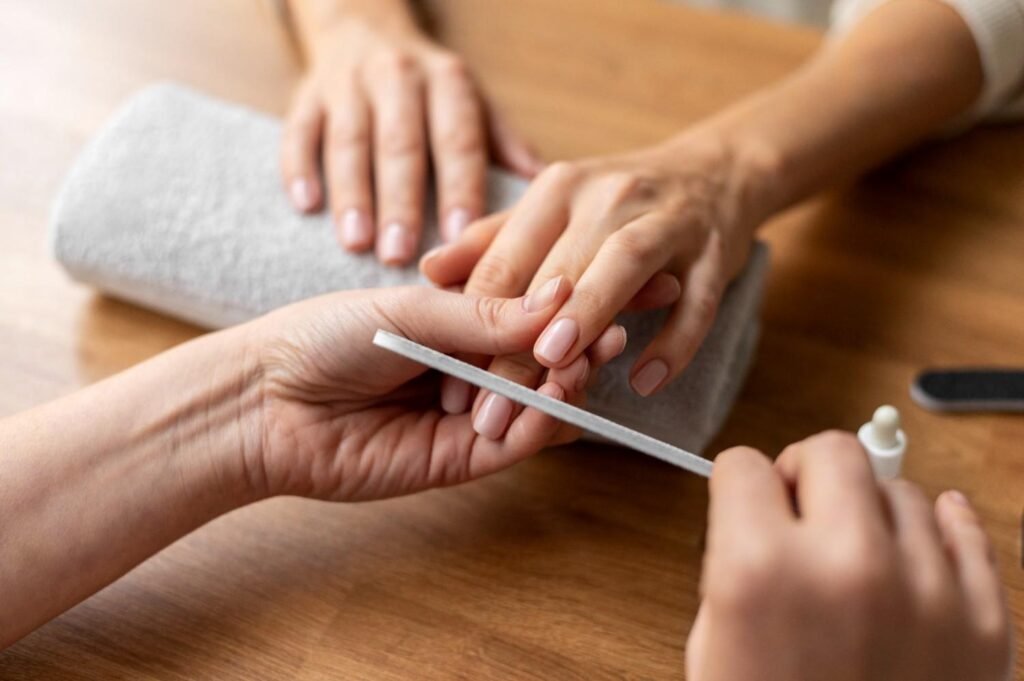
- Buff the topcoat
- Protect your skin
- Soak & wrap
- Wait 20–30 minutes
- Gently push off softened acrylic
- Repeat if needed
- Buff and smooth natural nail
- Moisturize heavily
Method 2: Acetone-Free Removal (Gentler but Slower)
This method is ideal if you have sensitive skin or simply dislike acetone.
Steps:
- Mix warm water + dish soap + oil
- Soak nails for 30–40+ minutes
- Slowly lift softened edges using a cuticle stick
- Re-soak if resistance is felt
Method 3: Professional Removal (Fastest & Lowest Risk)
If your acrylics are very thick or tightly bonded—or if you don’t trust yourself with at-home removal—a salon is the best option. Professionals can remove acrylics quickly without compromising the nail plate integrity.
Quick Comparison Table
| Removal Method | Time Required | Nail Safety | Effectiveness | Best For |
| Acetone Soak | 20–30 min | Very safe | Highly effective | Most people |
| Warm Water & Soap | 30–60 min | Safest | Moderate | Sensitive skin |
| Professional Removal | 10–15 min | Extremely safe | Perfect | Thick/strong acrylics |
What NOT To Do When Removing Acrylic Nails
- Do not rip or peel off acrylic
- Do not pry under the nail with force
- Do not use credit cards, razor blades, or teeth
- Do not aggressively file the natural nail
- Do not skip moisturizing afterward
When acrylic is forcefully removed, it takes your natural nail layers with it—leading to thinning, peeling, splitting, and pain.
How to Repair Nails After Acrylic Removal
Once your acrylics are off, nail healing begins.
Do these:
- Apply cuticle oil daily
- Use a strengthening base coat
- Keep nails trimmed short
- Wear gloves during cleaning
- Avoid gel or acrylic reapplication for at least 10 days
Nail-friendly oils:
- Jojoba oil
- Vitamin E oil
- Almond oil
- Coconut oil
These penetrate the nail plate and restore flexibility.
Signs Your Natural Nails Are Damaged
You may notice:
- Peeling layers
- Weak or bendy nails
- White patches
- Brittleness
- Soft spots
- Sensitivity
These are temporary—hydration and strengthening will help them recover.
Nail Health Tips for Future Acrylic Sets
If you plan to wear acrylics again:
- Get them professionally applied
- Don’t exceed 3–4 weeks between fills
- Let nails rest every few months
- Avoid very aggressive filing
- Choose reputable nail technicians
Properly installed acrylics are less stressful on natural nails.
Frequently Asked Questions
1. How long should I soak acrylic nails in acetone?
Usually 20–30 minutes. Thick acrylic may need longer.
2. Can I remove acrylic nails without acetone?
Yes, with warm soapy water—but it’s slower and less effective.
3. Does removing acrylic nails hurt?
It shouldn’t. If there is pain, you’re forcing the acrylic off.
4. Will acetone damage my natural nails?
Acetone dries nails temporarily—it doesn’t thin or tear them. Damage typically comes from peeling or ripping.
5. How long should I wait before getting acrylics again?
Ideally 1–2 weeks, allowing nail recovery and hydration.
Final Thoughts
Learning how to remove acrylic nails safely is less about force and more about patience and nail-kind techniques. With the right tools and a gentle, methodical approach, you can maintain the integrity of your natural nails and avoid the typical post-acrylic damage people often experience. With consistent aftercare—especially oiling and strengthening—you’ll notice your nails regain their flexibility, smoothness, and natural sheen. Treat your nails with care, and they will stay healthy, strong, and beautiful for future manicures.