
I still remember the first time I Googled what not to wear to an interview. I had a big opportunity lined up, I was nervous, and my closet suddenly felt like it belonged to someone with zero sense of judgment. I stood there staring at my jeans, bright tops, and beat-up sneakers thinking, “Well… definitely not these.” That moment taught me how much your outfit shapes the first impression you make—before you even say your name. And over the years, after interviewing for jobs and later interviewing candidates myself, I’ve learned exactly what works, what doesn’t, and why dressing the wrong way can overshadow your qualifications.
This is the guide I wish someone had handed me from the start—realistic, friendly, and based on actual interview expectations. Let’s break down the essentials so you walk in confident, polished, and totally distraction-free.
What Not to Wear to an Interview if You Want to Look Professional?
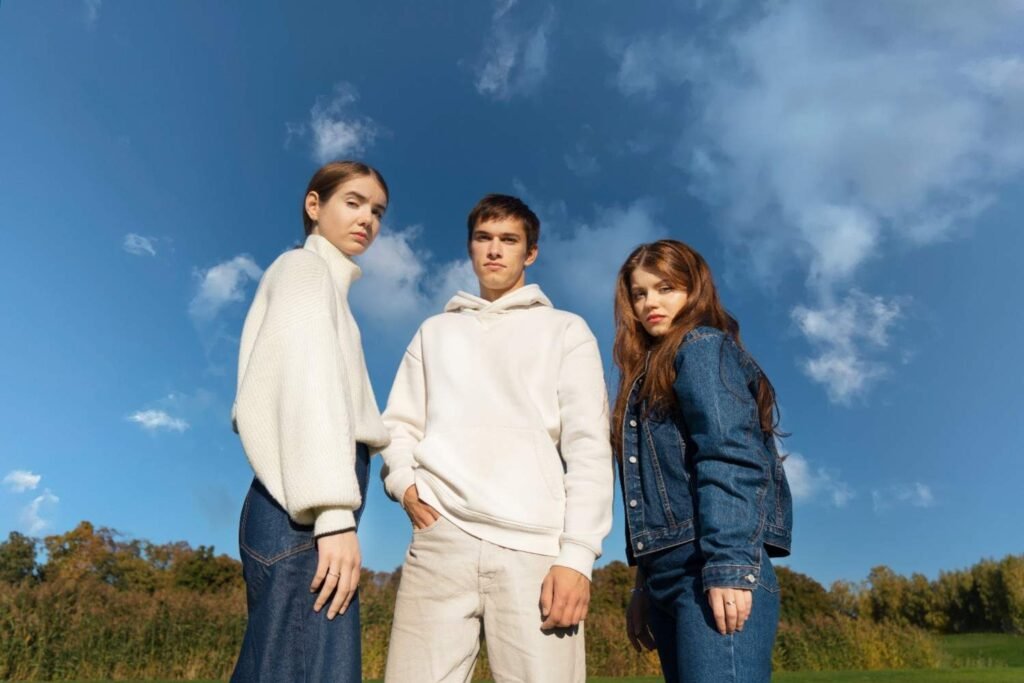
Whenever I think about interview outfits, the first rule that pops into my mind is simple: avoid anything too casual. Even if the company posts office selfies wearing hoodies and Crocs, I still dress one step above their everyday vibe because it shows respect and intention. Jeans, graphic tees, tank tops, leggings, and athletic wear never set the right tone when you’re trying to land a job.
I’ve realized that casual clothes signal comfort, not capability. When you show up in slouchy joggers or your favorite oversized hoodie, it tells the interviewer that effort wasn’t part of your plan that day. Even casual workplaces expect business casual for interviews, so sticking to neat trousers, a smart blouse, or a simple button-down instantly puts you in the right lane.
I also avoid sundresses, shorts, and anything that feels weekend-friendly instead of workplace-ready. The safer choice always leans toward polished, structured, and intentional clothing—nothing too relaxed or “day off.”
Why Should You Avoid Revealing, Tight, or Ill-Fitting Clothing?
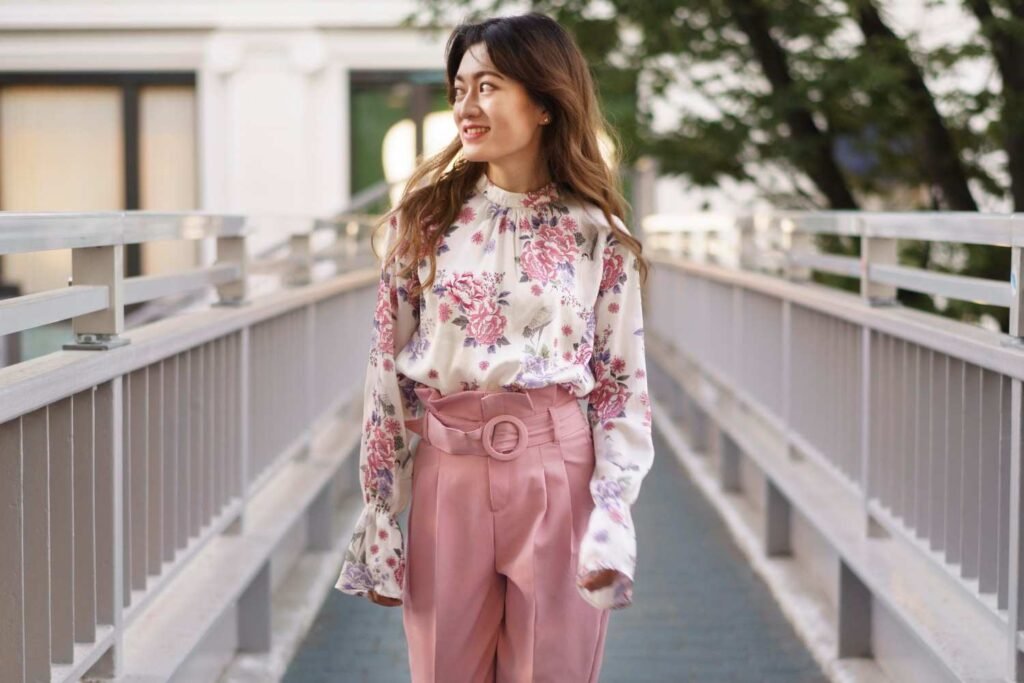
I’ve made this mistake before—wearing something cute but way too fitted—and I spent the whole interview tugging, adjusting, and wishing I had chosen something that didn’t make me self-conscious. Anything too tight, too short, or too revealing takes your focus away from the conversation and puts unnecessary attention on your outfit.
Low necklines, crop tops, sheer fabrics, mini-skirts, and overly body-hugging outfits don’t signal professionalism. They shift the attention away from your skills and qualifications, which is the last thing you want. When you’re wondering whether something fits the “revealing” category, trust me—you already know the answer.
Poor fit can also be a quiet deal-breaker. Wrinkled clothes, baggy pieces, stains, fading, or awkward proportions never work in your favor. You want your outfit to fit comfortably, look clean, and stay out of the spotlight so you stay in the spotlight.
What Not to Wear to an Interview When It Comes to Accessories and Grooming?
My rule here is simple: when accessorizing for an interview, I pretend I’m meeting someone who reads micro-expressions for a living. Anything that jingles, flashes, or distracts gets cut immediately.
Large hoop earrings, chunky necklaces, tons of rings, or bracelets that clack every time you move can be surprisingly disruptive. I once interviewed a candidate whose bangles chimed every time she gestured—and I remember the noise better than anything she said.
Strong fragrances are another no-go. Many people have scent sensitivities, and heavy perfume or cologne can make you memorable for the wrong reason. I stick to something extremely subtle or none at all.
Finally, grooming matters more than people admit. Clean nails, tidy hair, neat facial hair, and a fresh, alert appearance send a powerful message. And unless it’s religious or cultural, hats, beanies, and head coverings don’t belong at a job interview.
What Not to Wear to an Interview When Choosing Footwear?
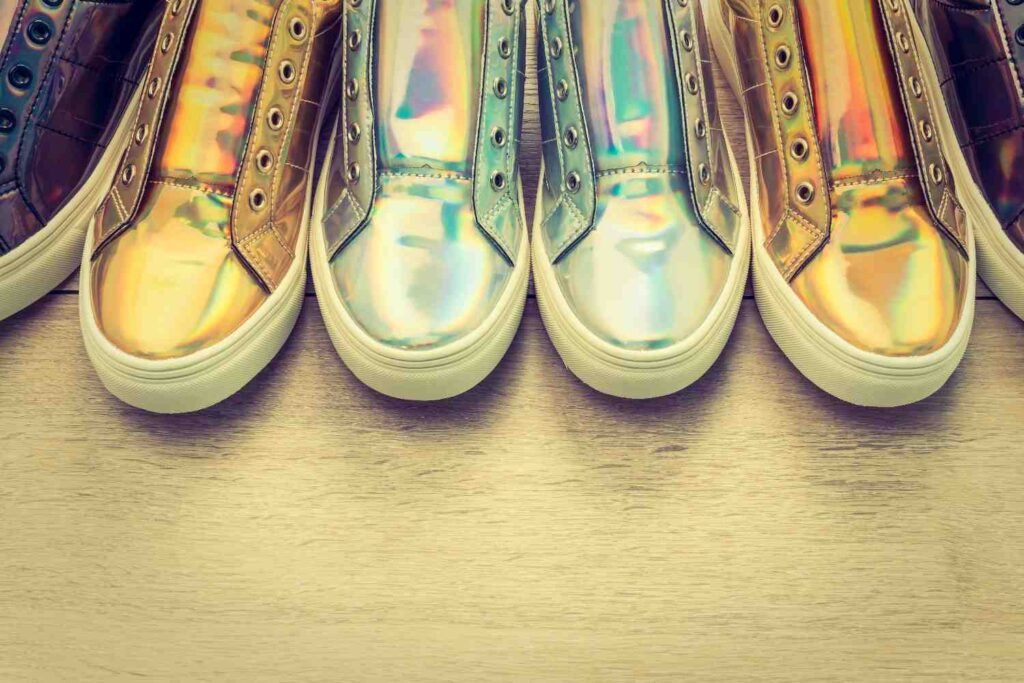
Shoes are silent communicators, and interviewers notice them more than you’d think. My personal blacklist includes flip-flops, athletic sneakers, platform heels, stilettos, Crocs, and anything visibly old or worn out.
Closed-toe dress shoes, loafers, modest heels, or clean flats always strike the right balance. Open-toed shoes generally lean too casual, and sandals often look out of place in a professional setting. When your footwear looks intentional and tidy, your entire outfit instantly levels up.
Quick Comparison Table: Professional vs. Unprofessional Interview Choices
| Professional Choice | Unprofessional Choice |
| Neutral blazer and dress pants | Jeans or leggings |
| Closed-toe dress shoes | Flip-flops or sneakers |
| Minimal jewelry | Large hoops, loud bangles |
| Light or no fragrance | Heavy perfume/cologne |
| Neat grooming | Unkempt hair or chipped nails |
| Solid neutral colors | Neon, busy prints, graphics |
How Do You Choose the Right Outfit When You’re Still Unsure?
When I’m uncertain, I always fall back on research. I check the company’s website, LinkedIn photos, or social media to see what employees actually wear. If the team looks relaxed, I go business casual. If they look polished and structured, I lean toward business professionals.
I also assess the industry. Creative fields like media might welcome trendy styles, while traditional fields like law or finance expect neat, understated professionalism. When you build your outfit around what the company values, you automatically show you did your homework.
And if you still feel torn between two outfits, pick the slightly more formal one. Being overdressed always beats being underdressed—every time.
How-To: How Do You Make Sure You Never Wear the Wrong Thing Again?
I’ve created a quick personal system that saves me from last-minute panic and guarantees I avoid everything on the “what not to wear to an interview” list.
First, I lay out the outfit the night before and inspect it closely under good light. I check for wrinkles, stains, awkward fits, loose seams, or fading. Then I try on the outfit and move around—sitting, walking, reaching—to make sure nothing shifts uncomfortably or looks out of place.
Next, I select accessories with intention. If it feels loud or flashy at home, it will feel even louder in the interview room. I stick to small stud earrings, a simple watch, and subtle grooming.
Finally, I choose shoes that look clean and stay comfortable for walking. I never wait until the morning of to decide, because last-minute pressure always leads to questionable choices.
Frequently Asked Questions
1. Should I avoid wearing jeans to an interview even if the workplace is casual?
Absolutely. Jeans almost always look too relaxed, even when they’re dark-wash and in great condition. Employers expect a step up in professionalism during the interview, so dress pants or chinos send a clearer message about your seriousness and attention to detail.
2. Are open-toed shoes really inappropriate for interviews?
For most industries, yes. They often look casual, seasonal, or too informal for a professional conversation. If you’re applying for a corporate, administrative, or client-facing role, closed-toe shoes are the safest and most professional option.
3. Can I wear trendy pieces if they look stylish and new?
I’d avoid anything overly trendy because fashion-forward outfits age quickly and may not match the company culture. A classic look always works better—it sends confidence without creating distractions or assumptions about your professionalism.
4. Is perfume or cologne okay during interviews?
Light scents are fine, but avoid anything strong or lingering. Many interview rooms are small, and strong fragrances can overpower the space. When in doubt, skip fragrance entirely.
Final Thoughts: Ready to Nail the Outfit and the Interview?
If you’ve ever panicked over what not to wear to an interview, trust me—you’re not alone. I’ve been there, sweating over color palettes and second-guessing blouse choices. But once you understand the basics, the process becomes surprisingly simple: choose professionalism, avoid distractions, and let your personality shine through your confidence—not your outfit.
You deserve to walk into your interview feeling polished, comfortable, and fully focused on showing them why you are the best choice.


